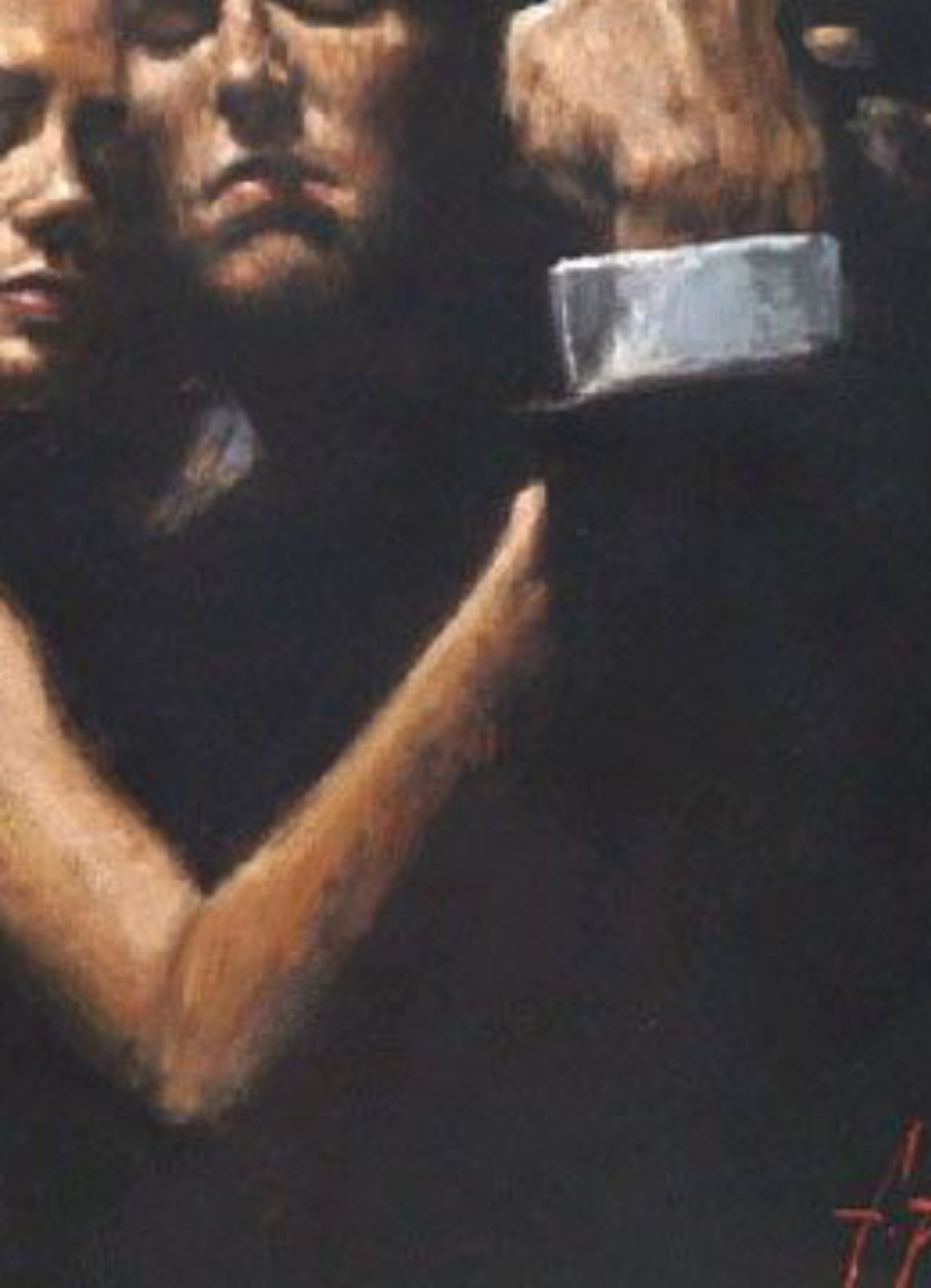
If you’ve ever felt that tango looks too flashy, too athletic, or “not for people like us,” this text is for you.
Many groups of older adults hesitate to try tango because they picture only stage shows and acrobatic moves. Yet research tells a different story: tango is increasingly used as therapy for older people, including those with Parkinson’s, Alzheimer’s, and dementia, with clear improvements in movement, balance, memory, and daily functioning.
The essay below explores a simple but powerful idea: the core of tango is not acrobatics or gymnastics. It is a set of human skills—presence, connection, listening through the embrace—that are the same whether you are a world champion, a first-time beginner, or an elder offering yourself this practice for the first time.
These skills do not fade with age; they can grow.
Tango is not about spectacle
Tango is often pictured as a stage of flashy lifts, acrobatic leg flicks, and young, sculpted bodies. That image sells well online, but it misses the heart of the practice. Argentine tango, at its core, is not about rigid choreography or gymnastic display. It is about a living connection between two people, mediated by music.
Research over the last two decades has repeatedly shown that tango’s real power reveals itself far from competition floors. In older adults, and in people living with Parkinson’s, Alzheimer’s, and other forms of dementia, tango-based interventions improve gait, balance, spatial cognition, working memory, and quality of life—sometimes more than conventional exercise alone. Studies report better motor–cognitive function, reduced symptom severity in Parkinson’s, and even slower functional decline in people with dementia after regular tango practice.
https://pmc.ncbi.nlm.nih.gov/articles/PMC9963458/
Abstract from the pdf:
Tango-Therapy Intervention for Older Adults : Effects on Quality of Life, Physical Abilities and Gait
Cognitive impairment in older adults is associated with poor gait performance, physical decline, falls and poor quality of life. This paper analyzes the feasibility and efficacy of tango-based intervention in older people living in nursing homes with and without cognitive impairment. A multicenter study, with pre- and post-test, was carried out. Intervention attendance, well-being, physical abilities (short physical performance battery), walking performance, functional capacities (Katz Index) and quality of life (quality of life in Alzheimer’s disease) were assessed. Fifty-four participants (84.9 ± 6.7 years, mini mental state examination 14.5 ± 7.4) completed the protocol. Intervention attendance was 92%, and the mean subjective well-being after each session was 4.5 ± 0.5 (on a five-point scale). A statistically significant improvement was found in the quality of life (p = 0.030). Non-statistically significant changes were found in walking performance (p = 0.159), physical abilities (p = 0.876) and in functional capacities (p = 0.253). This study shows feasibility and suggests evidence for the effects of tango therapy on well-being and quality of life. Further studies are necessary to contrast these findings and to support the role of tango interventions as a holistic approach to prevent functional decline in older people with cognitive impairment.
These benefits do not require perfect technique, extreme flexibility, or youthful virility. They emerge from the same basic ingredients that make tango meaningful everywhere: attentive listening, clear but gentle leading and following, shared weight and axis, and a willingness to be present with another human being in real time.
This is the deeper element common to all forms of tango: from a world champion’s show to a first-timer’s hesitant step in a community hall, to an elder with zero “experience” who offers themselves this gift. The applauded skills are not acrobatics; they are presence, connection, and coordination of mind and body within the embrace. Tango asks us to find our axis, feel the other’s axis, and move together inside the music’s structure. That task is ageless. It does not depend on how high you can kick, but on how honestly you can listen, adjust, and share space.
So tango is not primarily a sport of the young and beautiful. It is a practice of embodied relationship that becomes more relevant as the body changes, not less. The same core skills—balance, timing, spatial awareness, mutual trust—are what clinicians harness in therapy, what beginners discover in their first class, and what masters refine over decades. Age, strength, and appearance may shape the outer form of the dance, but they do not define its essence.
The essence of tango is the quiet, demanding art of moving together, fully alive, at whatever age we are.